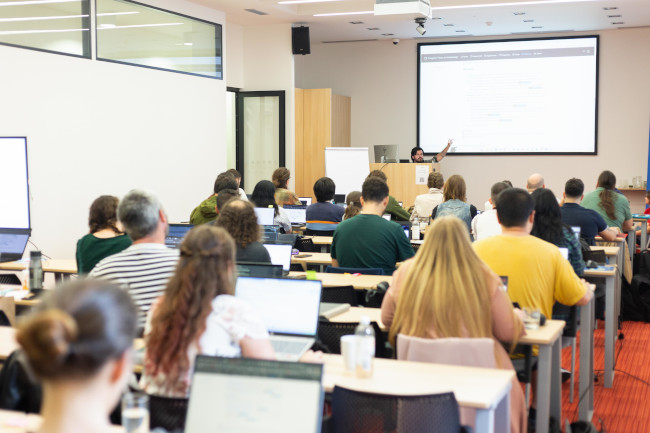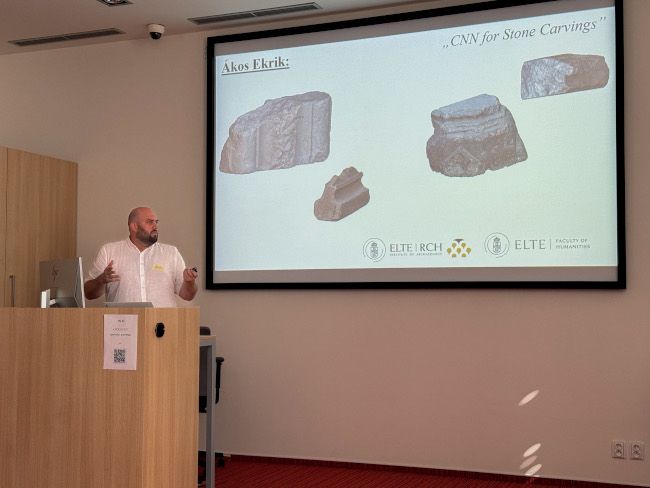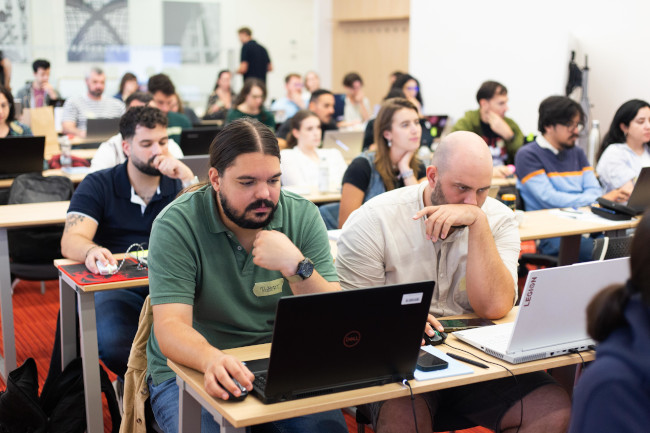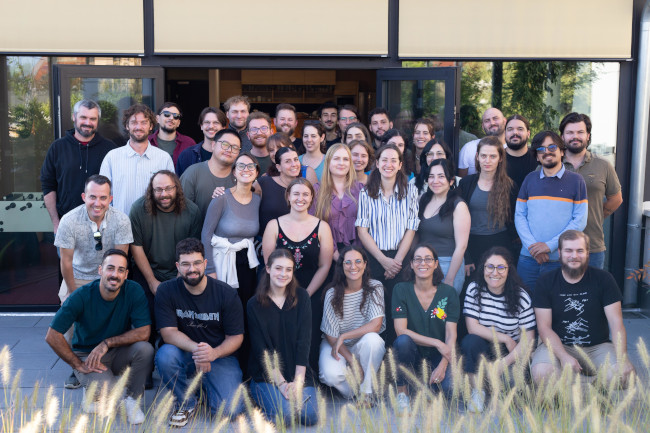



The Computer Vision in Archaeology Training School was held in Brno from 14 to 18 September 2026 as part of the ATRIUM Project, with Ákos Ekrik and Róbert Szederkényi participating from our Institute. The programme brought together 29 participants from across Europe and was hosted by the Institute of Archaeology of the Czech Academy of Sciences, with the involvement of the Archaeological Information System of the Czech Republic (AIS CR) research infrastructure. The training school was organised within the framework of the ATRIUM Transnational Access (TNA) programme and co-organised with the MAIA COST Action.

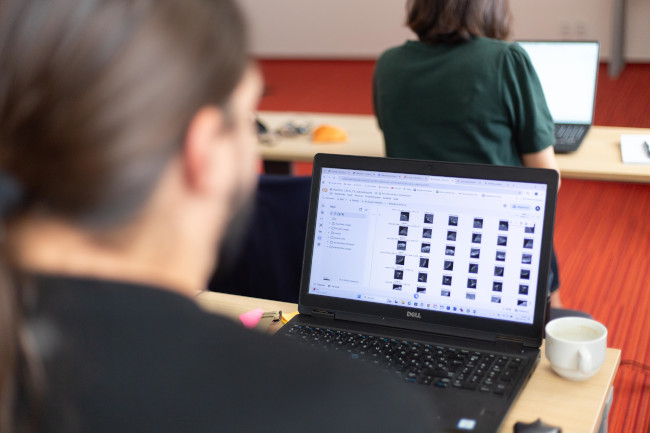
The five-day programme combined lectures with practical exercises on the archaeological applications of computer vision and machine learning. Starting from an introduction to the applications of computer vision in archaeology, participants explored image-processing and machine-learning methods using different types of archaeological imagery. The practical exercises included the classification and annotation of archaeological artefact photographs, the segmentation of microscopic images, the analysis of remote-sensing data, as well as object-detection tasks involving a variety of archaeological image sources.
One of the key lessons of the training was that successful computational analysis depends on well-prepared, comparable and consistently described datasets. High-quality annotation and well-documented workflows can be just as important as the algorithm itself. The practical examples also demonstrated that the results produced by machine-learning methods should primarily be regarded as intermediate outputs supporting the research process: their verification, archaeological interpretation and contextualisation remain the responsibility of the researcher.
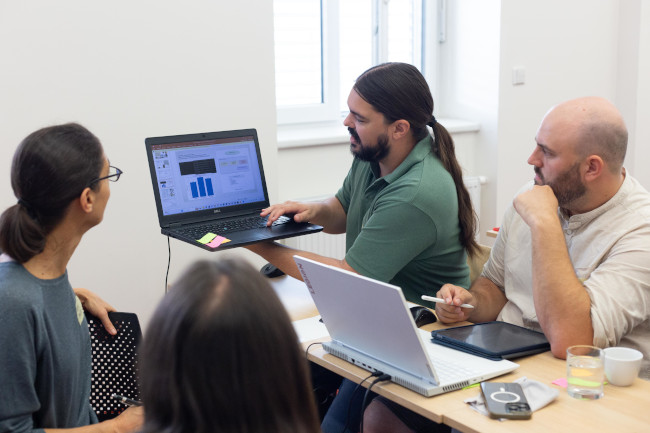
The experience gained in Brno can also be applied to the management and further use of the Institute’s digitised archaeological collections and research data, including image classification, metadata enrichment, quality control and improved searchability. The training further highlighted the importance of cooperation between archaeological researchers, data-management specialists and colleagues with relevant technical expertise. Ákos Ekrik and Róbert Szederkényi will present the experience and methods gained during the training at a future workshop at the Institute; further information on the date will be announced later.